
What Changes in Store Operations After a Retail System Upgrade?
A retail system upgrade can be difficult to picture in everyday terms. A new interface and more reports are visible, but the more meaningful changes occur across transactions, inventory, promotions and headquarters reporting.
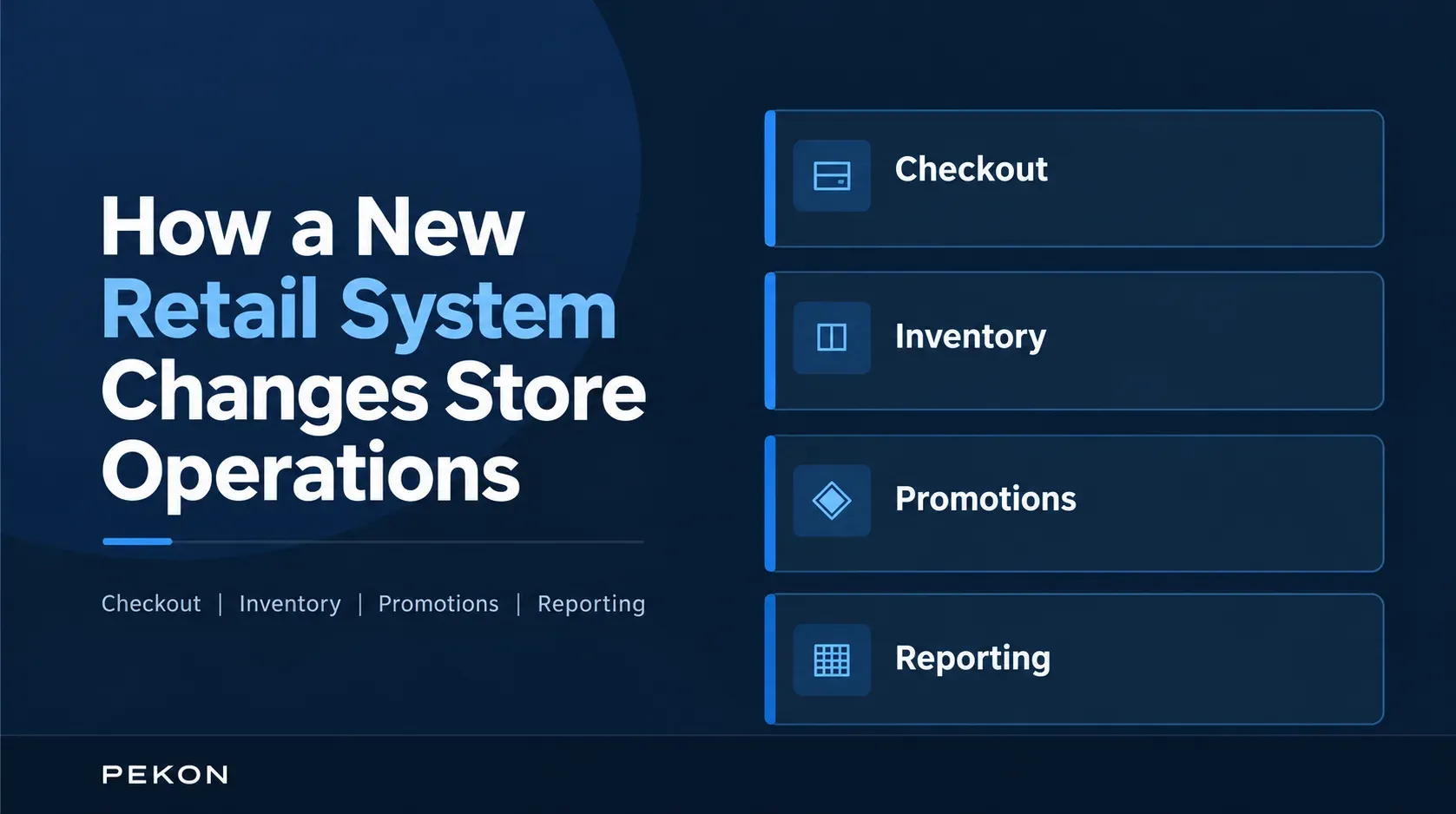
Modern retail software covers the chain from a sale to stock movements, campaign execution and management information. It should therefore be assessed against operating workflows, not just the appearance of the checkout screen.
1. Transactions: support the way stores actually trade
More flexible terminals
Fixed checkout hardware can constrain a busy store. A system that supports iPads, phones and fixed POS devices gives the team more options for serving customers and allocating checkout capacity.
Complete records for different transaction types
Returns, exchanges, consignment, pre-orders, samples and reward gifts each have their own documents and stock effects. Bringing them into the system reduces the need for supplementary manual records and makes the resulting movements traceable.
Payments and daily close
WeChat Pay, Alipay, UnionPay, points, gift cards and instalments can otherwise require separate equipment or reconciliation. A connected workflow brings the relevant methods into one operating process and consolidates receipts for daily close.
The source describes substantial reductions in manual closing time when these records are connected. The practical improvement comes from removing repeated collection and comparison of separate totals.
2. Inventory: make recorded movements visible
Network visibility
Delayed store uploads leave headquarters looking at an earlier position. Recording each receipt and issue as it occurs provides a more current view of stock distribution across the network.
Rule-based replenishment
Replenishment based only on individual managers' experience can create inconsistent stock levels. Configurable rules use sales history, current stock and turnover to suggest quantities, with different parameters for products and regions.
Mobile cycle counting
Scanning with mobile devices supports partial and rolling counts instead of relying entirely on a full-store shutdown. Comparing counts with system records makes discrepancies visible and reduces manual calculation.
3. Promotions: apply the agreed rules at checkout
Handle combined offers
Threshold discounts, gifts with purchase, percentage discounts, points and coupons require priorities and compatibility rules. A promotion engine can apply the configured combination during checkout instead of leaving the cashier to calculate it.
Distribute headquarters campaigns
Headquarters defines stores, dates, audiences and offer rules, then distributes the configuration to participating locations. Returned activity records provide a common basis for assessing execution and results.
Connect membership with promotions
Tiers, points and coupons become more useful when eligibility is part of the transaction. The brand can apply distinct offers for relevant member groups within its rules.
4. Reporting: support current operating decisions
Reduce reporting delay
Next-day reports can be too late when a SKU suddenly sells quickly and needs replenishment. Timely transaction updates allow headquarters to respond using a more current position.
Analyse several dimensions
Useful reports include current stock, opening and closing balances, stock movements and sales details. Filters by store, channel, product category and period reduce the need for staff to rebuild the same views in spreadsheets.
From personal workarounds to consistent processes
Across these areas, the common change is a shift towards recorded movements, data-supported decisions and configured rules. For larger chains, the benefit often comes from more trustworthy operating records rather than any single feature.
PEKON's source article draws on service experience with more than 200 chain brands and highlights confidence in store data as a recurring improvement. Complete transactions, connected stock and consolidated closing records can reduce repeated clarification between stores and headquarters.
Frequently asked questions
What changes most at checkout?
Terminal flexibility, support for different transaction documents and a common process for payments and reconciliation.
How does inventory management change?
Recorded movements become visible sooner, replenishment can follow configured evidence-based rules, and mobile cycle counts reduce manual reconciliation.
What improves in promotion management?
More complex combinations can be calculated consistently, while headquarters distributes common campaign rules and receives execution data.